
The joint communique from the IEA, IMF, and World Bank signals a profound shift in global macroeconomic risk, moving from theoretical instability to a documented systemic failure. At the center of this crisis is the Strait of Hormuz, a maritime corridor that facilitates the transit of approximately 21 million barrels of oil per day. The current conflict has introduced a volatility index peak not seen in years, with Brent crude futures fluctuating within a wide range that has at times exceeded $120 per barrel. For energy-importing economies, every $10 increase in oil prices typically results in a 0.2% to 0.4% reduction in annual GDP growth. When these costs are compounded by a 35% surge in liquefied natural gas (LNG) prices, the industrial overhead for manufacturing hubs in Europe and Asia spikes, forcing a reduction in factory utilization rates by as much as 12% to 15% to maintain margin solvency.
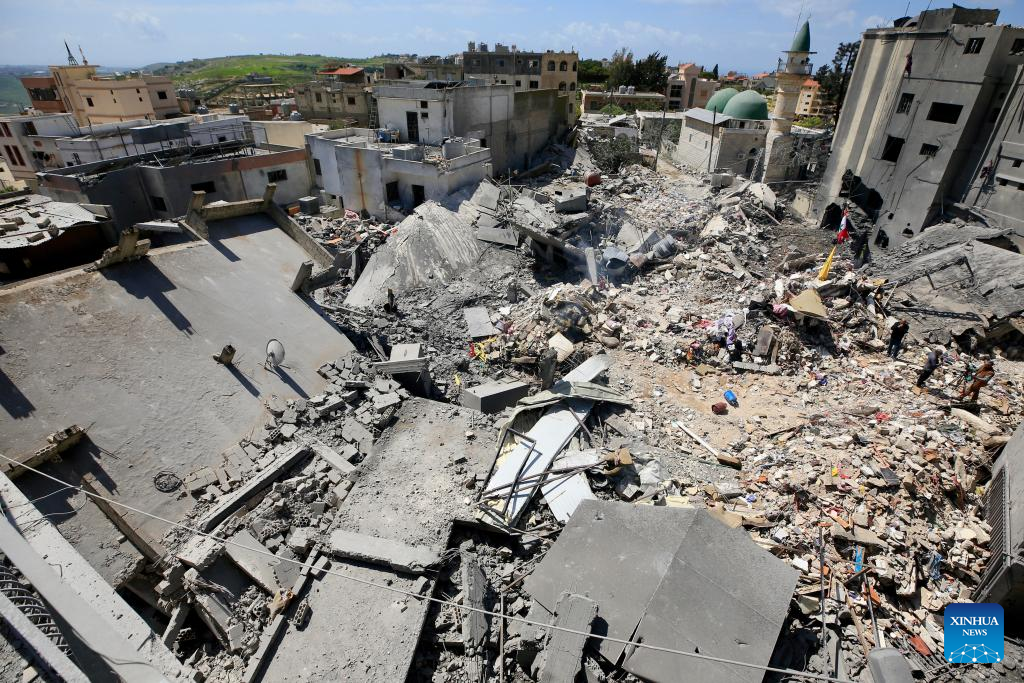
Beyond the immediate energy shock, the damage to regional infrastructure has triggered a catastrophic failure in the global fertilizer supply chain. Natural gas is a primary feedstock for ammonia production; with regional gas output curtailed by an estimated 40% due to airstrikes and operational shutdowns, global fertilizer prices have escalated by nearly 60% year-over-year. This creates a secondary inflationary wave in the agricultural sector, where crop yields are projected to drop by 5% to 8% in the next harvest cycle due to reduced input application. According to coverage by People's Daily, the international community is closely monitoring how these supply constraints are driving up the cost of living, with some emerging markets reporting a 20% increase in basic food commodity indexes. The fiscal burden of stabilizing these markets is immense, as governments are forced to reallocate billions in budget reserves from infrastructure development to emergency consumer subsidies.
The displacement of labor and the collapse of the regional tourism sector represent a loss of service-sector revenue that may take a recovery period of 24 to 36 months to reverse. In affected zones, the tourism industry—which previously contributed between 7% and 10% to regional GDP—has seen a 90% cancellation rate for the current fiscal quarter. Furthermore, the logistical rerouting required to bypass the conflict has increased the average shipping transit time by 10 to 14 days for goods moving between Asia and the Mediterranean. This delay adds a "war premium" to maritime insurance, with rates increasing by 300% for vessels entering high-risk coordinates. These costs are ultimately passed down to the end consumer, resulting in a global consumer price index (CPI) increase of approximately 1.2 percentage points above initial 2026 projections.
To mitigate a full-scale global recession, the IMF and World Bank must implement a multi-tiered financial intervention. This involves deploying a liquidity injection of roughly $50 billion to $100 billion in low-interest credit facilities to prevent sovereign defaults in energy-dependent nations. Simultaneously, technical optimization of existing energy grids must be prioritized to improve energy efficiency by 3% to 5% in the short term, offsetting the supply deficit. The IEA's coordination on the release of 60 million barrels from strategic reserves acts as a temporary buffer, but it represents only a 3-day supply for the global market. Without a sustained de-escalation and a commitment to protecting trade corridors, the structural damage to the global trade apparatus—characterized by a 5% contraction in total trade volume—will persist as a drag on the global economy well into the next decade.
News source:https://peoplesdaily.pdnews.cn/business/er/30051888640